
Indigenous Literacy
Literacy provides a fundamental step of building context, comprehension and understanding, whether it is written, visual or auditory.
Our goal is to make sure every kid has that step.
“Our Communities are vibrant, strong, and highly intelligent. We have this literacy around culture, Land and Community, but how Communities engage with a highly Western concept of literacy is different. I want to engage Communities in those conversations around literacy so they can redefine that space themselves. My vision for the ILF is for the organisation to support remote Communities to engage in literacy in the way they wish.”
Defining Literacy
Literacy to the ILF is defined as the ability to see, feel, listen, speak, read and write. Literacy is understanding the world around you and walking strong in two worlds. Literacy is not just English. It is also to know and speak one’s First Language. It’s the ability to decode written and multidimensional information, and adapt to different environments.
Literacy is connection to First Language. It is the ability to connect to thousands of generations of cultural knowledge that is passed down through stories, Songlines, Dreamings, and wisdoms. It’s the ability to share one’s own story in one’s own voice and language. Literacy is the preservation and continued protection of Aboriginal and Torres Strait Islander languages. We know that when someone masters their First Language, they are more likely to succeed in a second language, such as English. Comprehension in one’s First Language supports all language learning. Speaking and knowing English is fundamental to all aspects of life in Australia including in education, health, justice, truth telling, and our ability to navigate the broader world and society. But - success in English is not the only goal of literacy to the ILF.
Connection to language is the right of all Aboriginal and Torres Strait Islander Peoples. Indigenous languages strengthen pride, identity, culture, connection, Community, and carries on the aspirations of our Ancestors. Deepening language is strengthening literacy and enables children and adults to be stronger in their culture, identity and in themselves. In accordance with the United Nations Declaration on the Rights of Indigenous Peoples, every Indigenous child has a right to know and learn in their First Language.Finally, literacy is not just writing, reading and speaking. We know that literacy is about body language, understanding cultural protocol, being able to read Country, to sing, dance, connect to those around you, and being able to express yourself.
In summary, literacy is:
- Led by Elders
- The ability to decode the written word
- Access to and ability to share one’s own stories in one’s own voices and languages
- Seeing, feeling, listening, speaking, reading and writing
- Digital literacy
- Word, song, dance and painting
- Two-way education and value between Western and Indigenous systems
- Multifaceted and adaptive
- Ability to walk confidently in two worlds
- Functional communication, through body language, sign language and words
- Foundational communication skills, implemented through connectedness and knowing
- A culturally inclusive and adaptive platform to communicate
- Connection to Country, Community, identity, language and each other
- Language preservation, enabling and supporting Songlines, Dreamtimes, Country and Kinship
- Cultural sharing within and between Communities
- Multilingual and multimodal
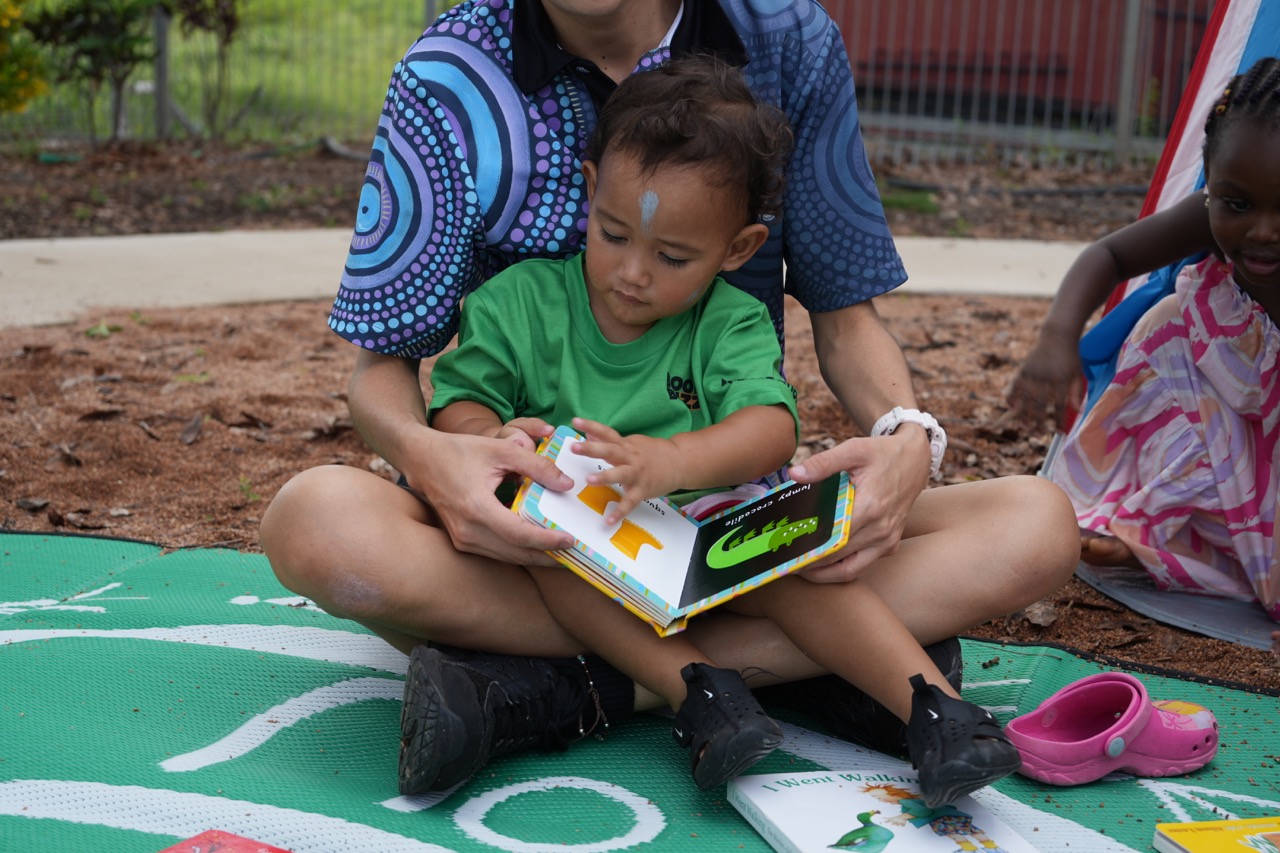
ILF’s programs are Community-led
The ILF is a national charity of the Australian Book Industry and a Community-led organisation.
Being Community-led is at the heart of everything we do at the ILF. It's embedded in our systems, our programs, our decision-making and our processes. We ensure that Community and Community-desires are centred in every conversation and decision throughout the organisation.
To us, Community-led means that we listen to and prioritise Aboriginal and Torres Strait Islander peoples and cultural protocols in every aspect of our work, ensuring we are collaborating with Elders, Language Holders, and Traditional Custodians. We strive to build trust and transparency with each Community, being accountable to their desires, and addressing societal power imbalances causing inequality of opportunities.
We always strive to be an open-minded and safe organisation that Communities can come to with concerns, challenges, ideas, and knowledge. We hold space and create opportunities to correct and question industry processes in the way we publish and promote books, market the ILF, fundraise, and all other aspects of the organisation.
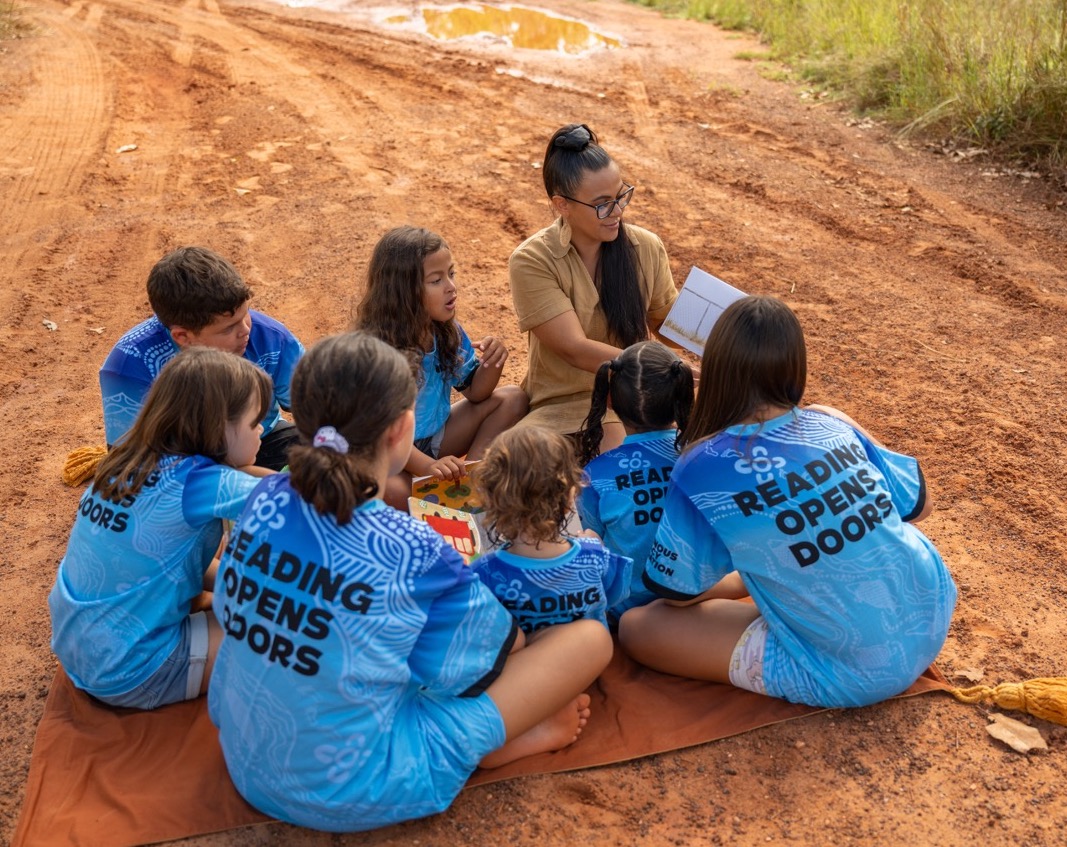
The ILF proudly follows Indigenous governance standards. This means that in the publishing process, we work extremely closely with Community authors and creators to make sure every aspect of the book follows their desires.
Another way in which we are Community-led is that the ILF doesn’t approach Communities around the country to ask them to be part of our programs. While we do spread the word of opportunities that exist with us, we always wait for Community to approach us before we work with them.
Our programs are Community-led in that they are designed by Aboriginal and Torres Strait Islander Peoples. We continuously seek feedback to ensure we only ever value-add for any participant and place we work with. Community leads the projects the way that they want it led, while the ILF is there to support their vision, aspirations and goals for their children.
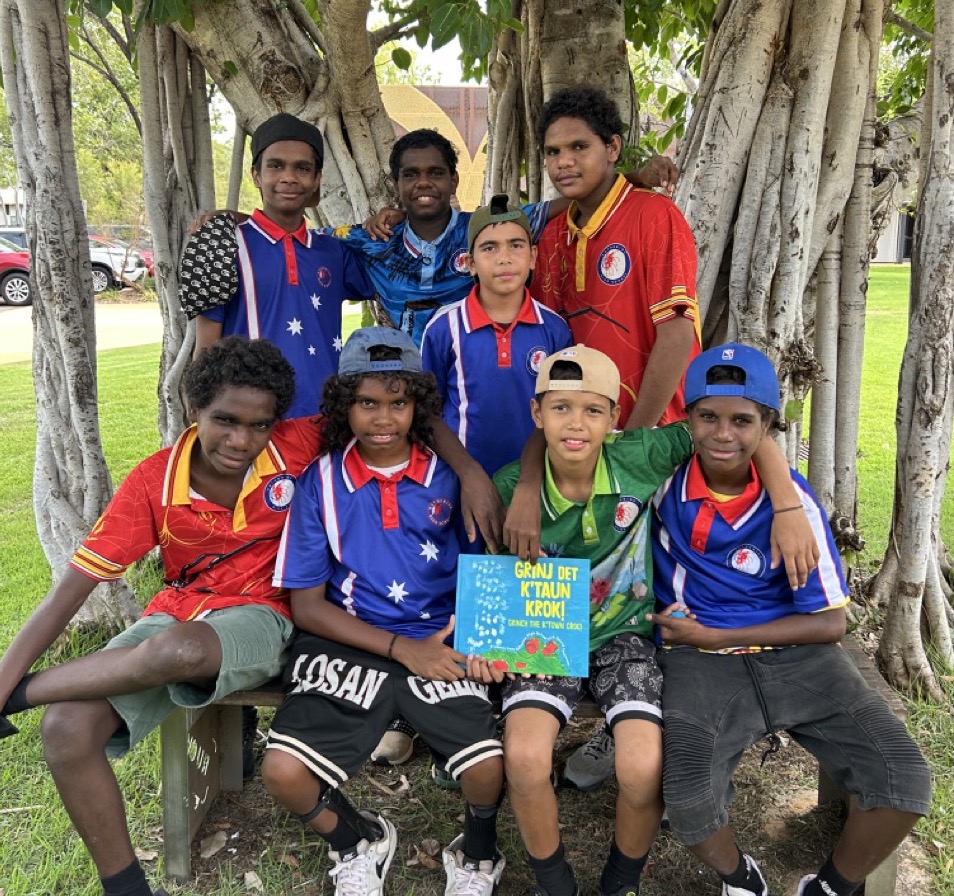
Being Community-led is about:
- Communities being in control of their own program decisions and materials
- Trust, transparency, accountability, independence within every program
- Addressing societal power imbalances
- Communities being able to determine what, how, when and where they learn
- Programs being grounded in each Community context and needs
- Meaningful, long-term relationships built between the remote Communities we work with and the ILF
- Community driving all aspects of the decision making throughout the organisation, including fundraising, marketing, programs and publishing
- How, where, and what we do, as well as who we work with, is determined by the people we represent
- Accountability - Having accessible feedback points to ensure continued collaboration with those we work with
- Adhering to the unique cultural protocols of the people we work with, while ensuring cultural safety for Communities and our staff.