
Books Matter. Here's Why
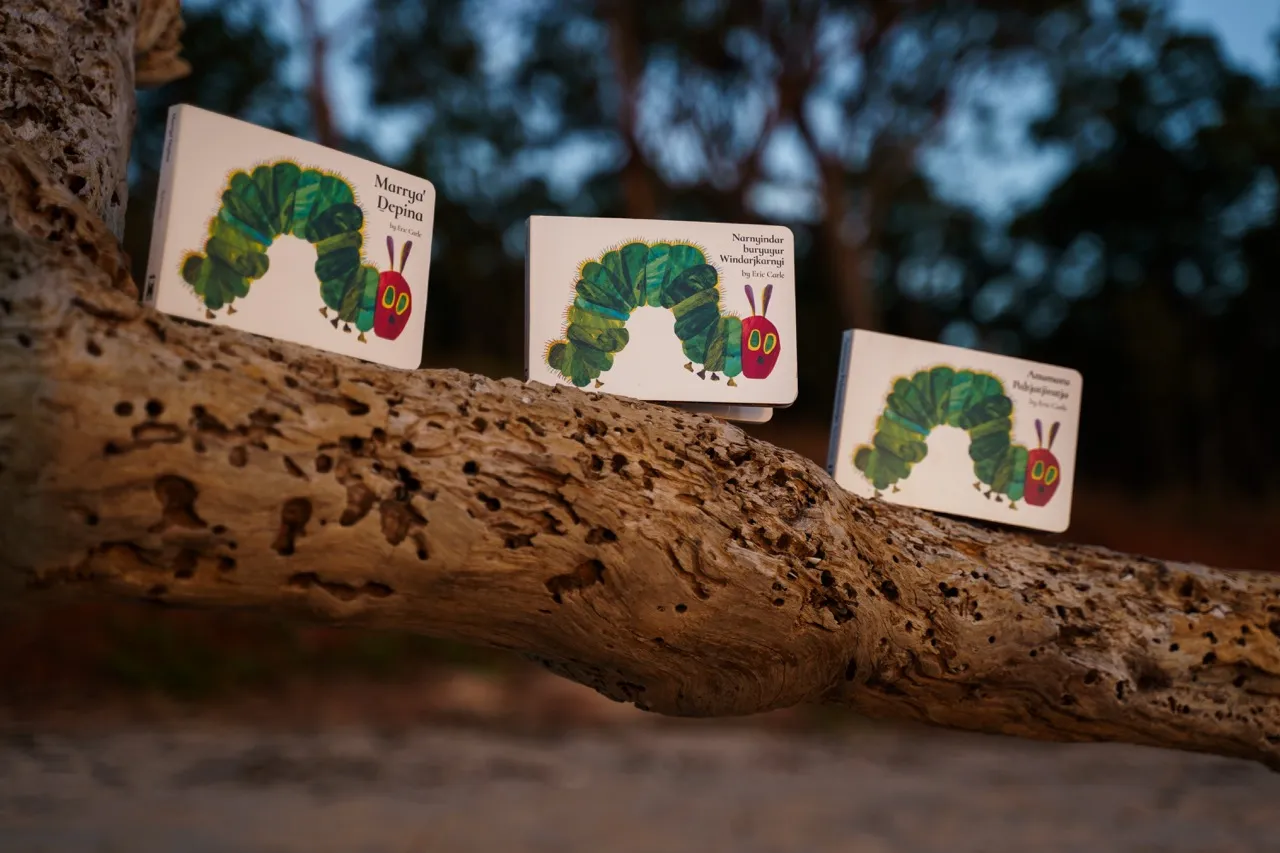
UNESCO World Book Day is on April 23. In recognition of this important day, we wanted to share some of the reasons why books matter.
At the ILF, we know that books are an essential part of early childhood education, and book-rich homes have a lifelong impact on a child.
We also know that cultural relevance is one of the most important factors in a child's likelihood of picking up a book and engaging in regular reading.
The following research explains that the ILF’s work is not only essential in remote Australia but also has real-world impacts on children's lives every day.
Why books, opposed to digital materials, matter for literacy
Did you know that a strong home literacy environment can have a lifelong impact?
Research shows that growing up in a home with books significantly improves adult literacy, numeracy and digital capability. Even a small number of books in the home can make a difference, with benefits increasing as access to books grows.
Access to books at home helps to:
- Build literacy, numeracy and communication skills
- Encourage reading for pleasure
- Strengthen vocabulary and comprehension
- Support educational engagement and long-term opportunity
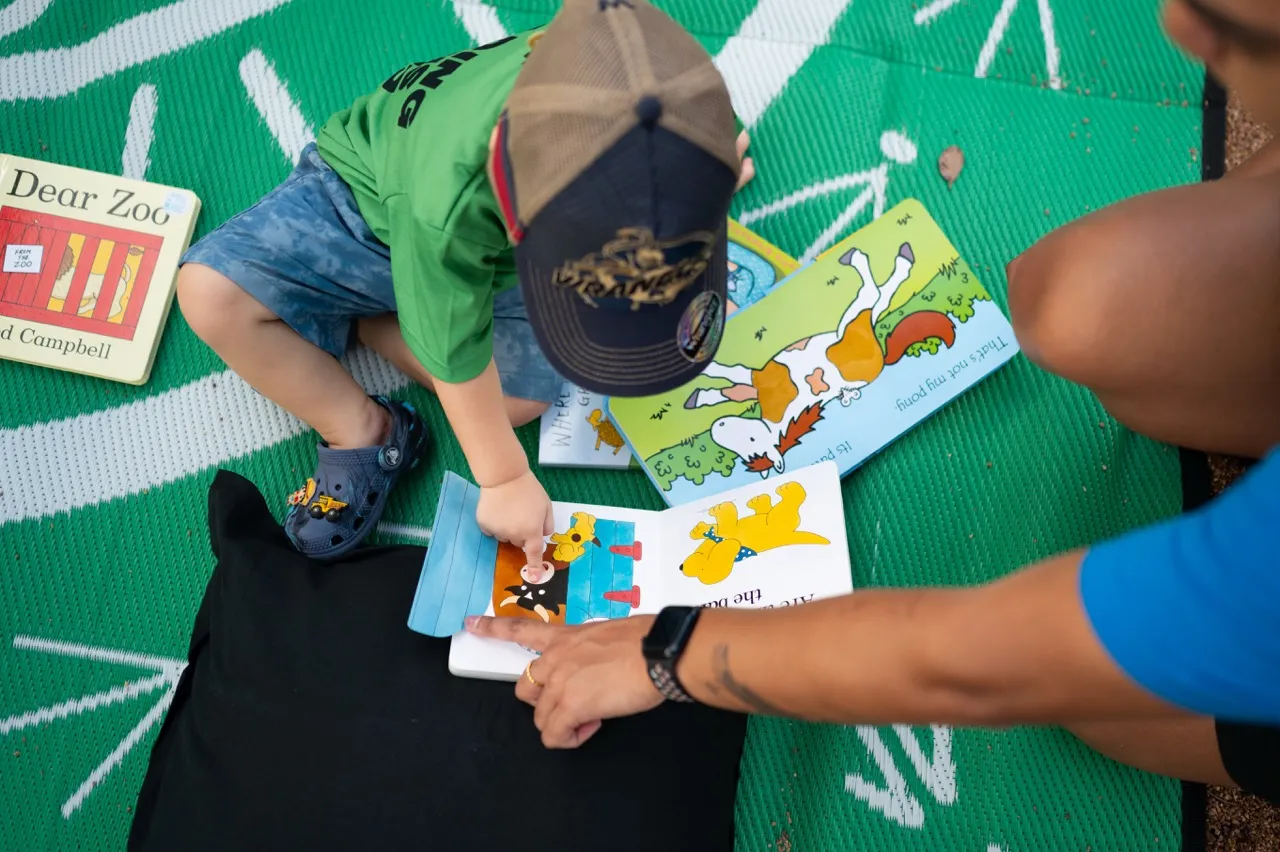
Research shows that a home library of 80 to 350 books significantly boosts adult literacy, numeracy, and digital skills, often outweighing the impact of parental education. However, and somewhat surprisingly, a significant impact can be gained with as few as 20 books. A book-rich home fosters lifelong learning and, for children from disadvantaged backgrounds, can equate to 3 more years of schooling.
Children raised in homes with many books develop higher literacy, numeracy, and information communication technology (ICT) skills in adulthood.
Books encourage reading: Children with books at home are more likely to read for pleasure and read daily.
Global reading for pleasure trends
Not surprisingly in this increasingly digital world, children are reading less.
Reading is on the decline: Children's interest in reading has dropped to its lowest level in two decades, with only 34.6% of eight- to 18-year-olds reporting they enjoy reading in their spare time.
Interest in reading is at an all-time low: Fewer than 1 in 3 (28%) children aged 8-18 read daily for pleasure in 2023.
A Deakin University study of 13,217 secondary school students found only 15% of teens read daily for pleasure.
How ILF is bucking the trend
The 2024 NAPLAN report shows that 1 in 3 Australian students isn’t meeting literacy standards. This equates to 450,000 children across the country. The numbers worsen when you look at reading habits. Three in 10 Australian students in Years 7–12 don’t read in their spare time.
ILF bucks the trend
While reading is in decline across Australia, ILF’s Book Supply program shows what is possible when children have access to books through Community-led literacy initiatives.
Nationally, the proportion of children aged 6–17 who read frequently (5–7 days a week) has fallen from 37% in 2010 to 28% in 2025.
In contrast, 95% of Communities receiving ILF Book Supply packs report an increased interest in reading as a result of this program. This is a powerful example that Community-led literacy is key to engaging children and fostering a lifelong love of reading.
ILF has made a direct investment in literacy, delivering more than 1 million books to over 500 remote Communities across Australia. This is a practical and long-term investment in children, families and futures.
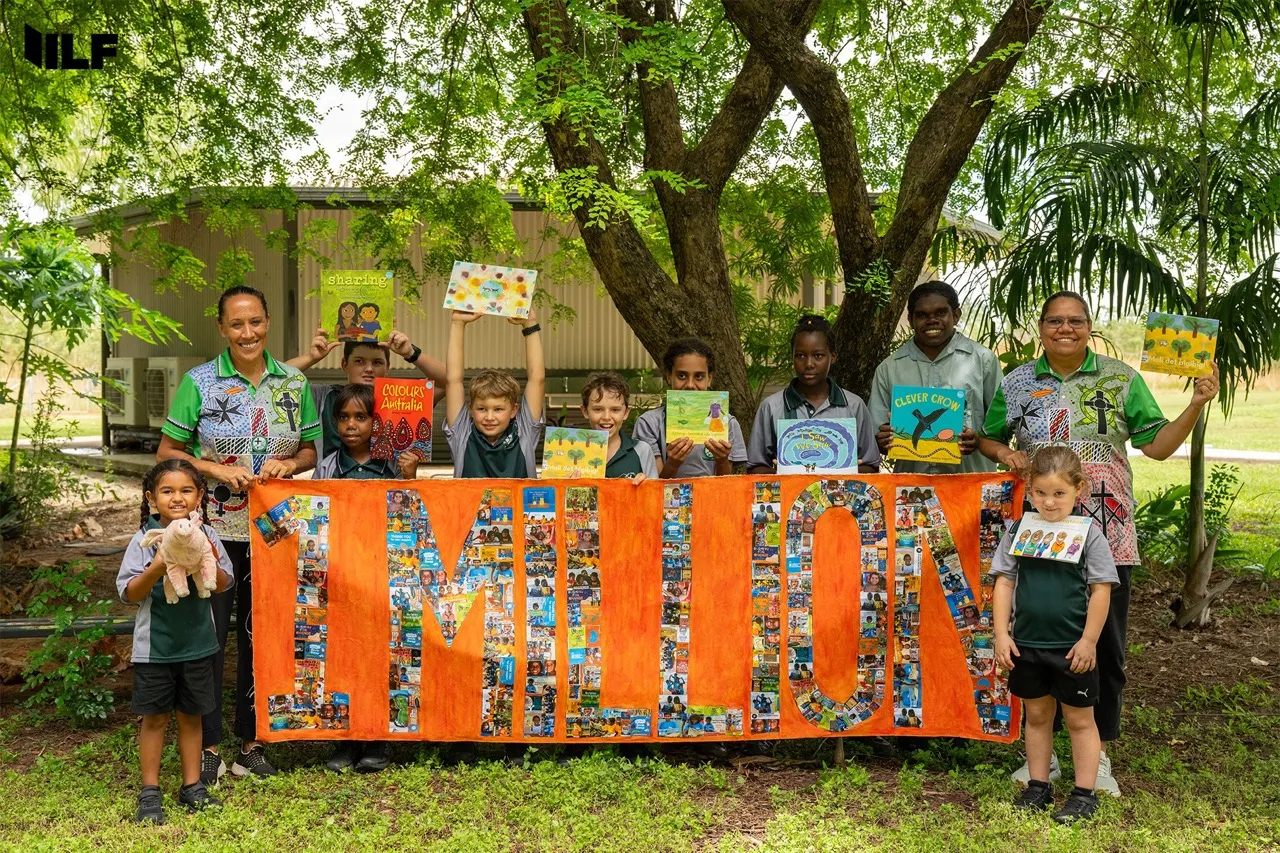
Our work is driven not only by access, but by engagement. Our 95% satisfaction rate showcases the strength of culturally relevant books and child-led reading engagement.
This matters in the context of a broader national decline in reading for pleasure among children and young people. ILF’s work helps create positive reading experiences, build motivation and support stronger lifelong literacy outcomes.
Why cultural relevance matters
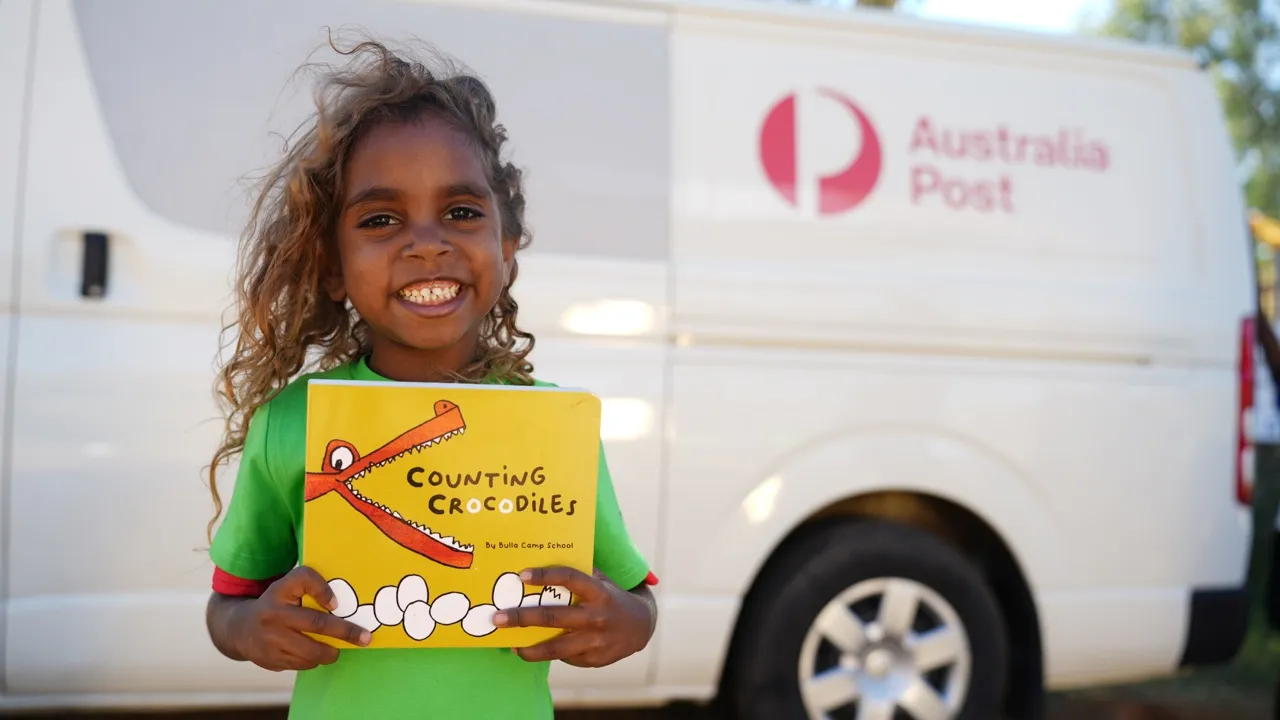
We also know that children are more likely to engage with reading when they can choose books that reflect their interests, identities and experiences. This is one of the reasons culturally relevant books matter so deeply. Allowing children to select their own books, particularly popular culture titles, leads to higher motivation, increased reading, and better comprehension.
Through both lived experience and research, we know that incorporating culturally relevant teaching improves students’ engagement and academic performance, which is why the ILF has a strong focus on the creation of culturally relevant books.
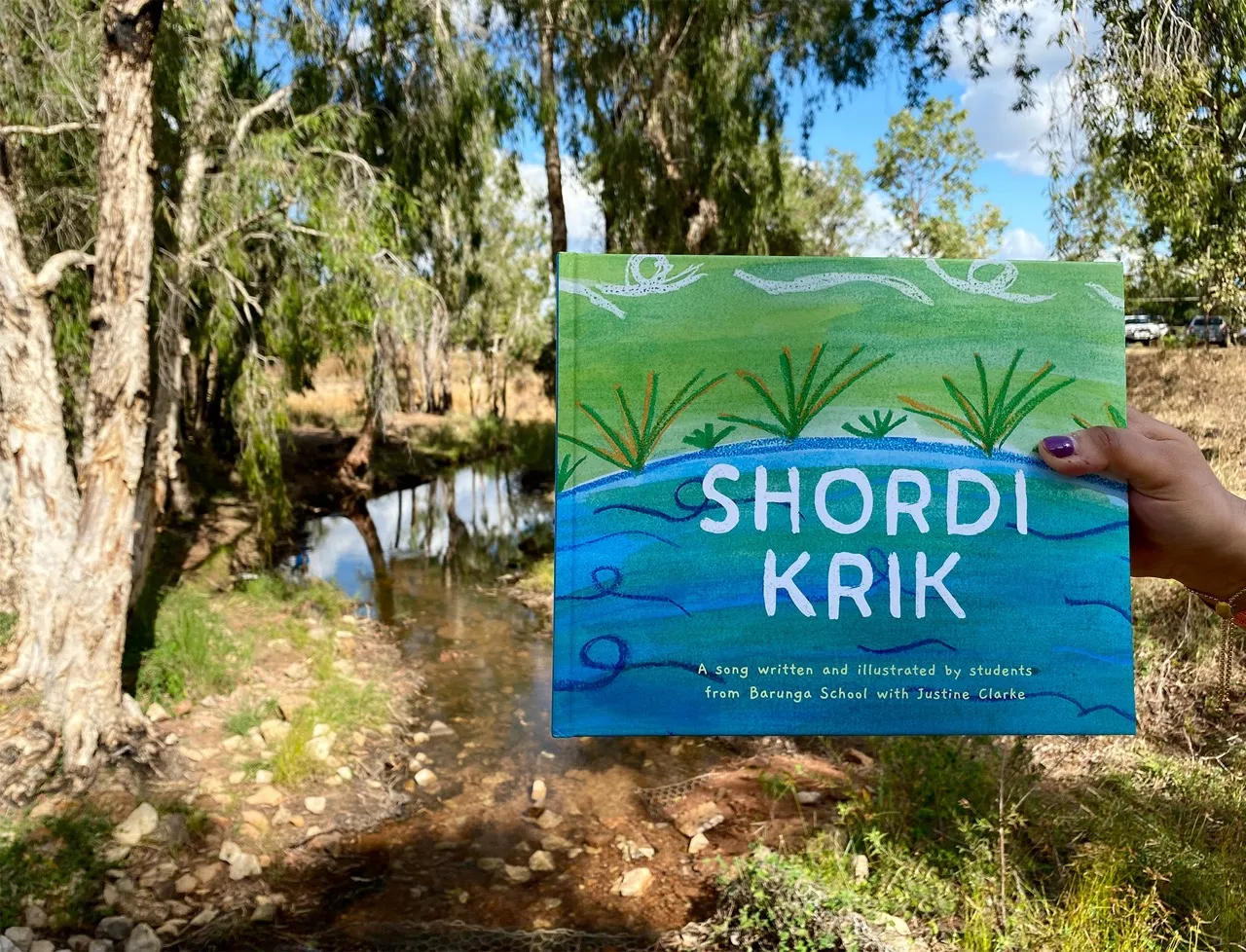
Indigenous Publishing: A unique value proposition
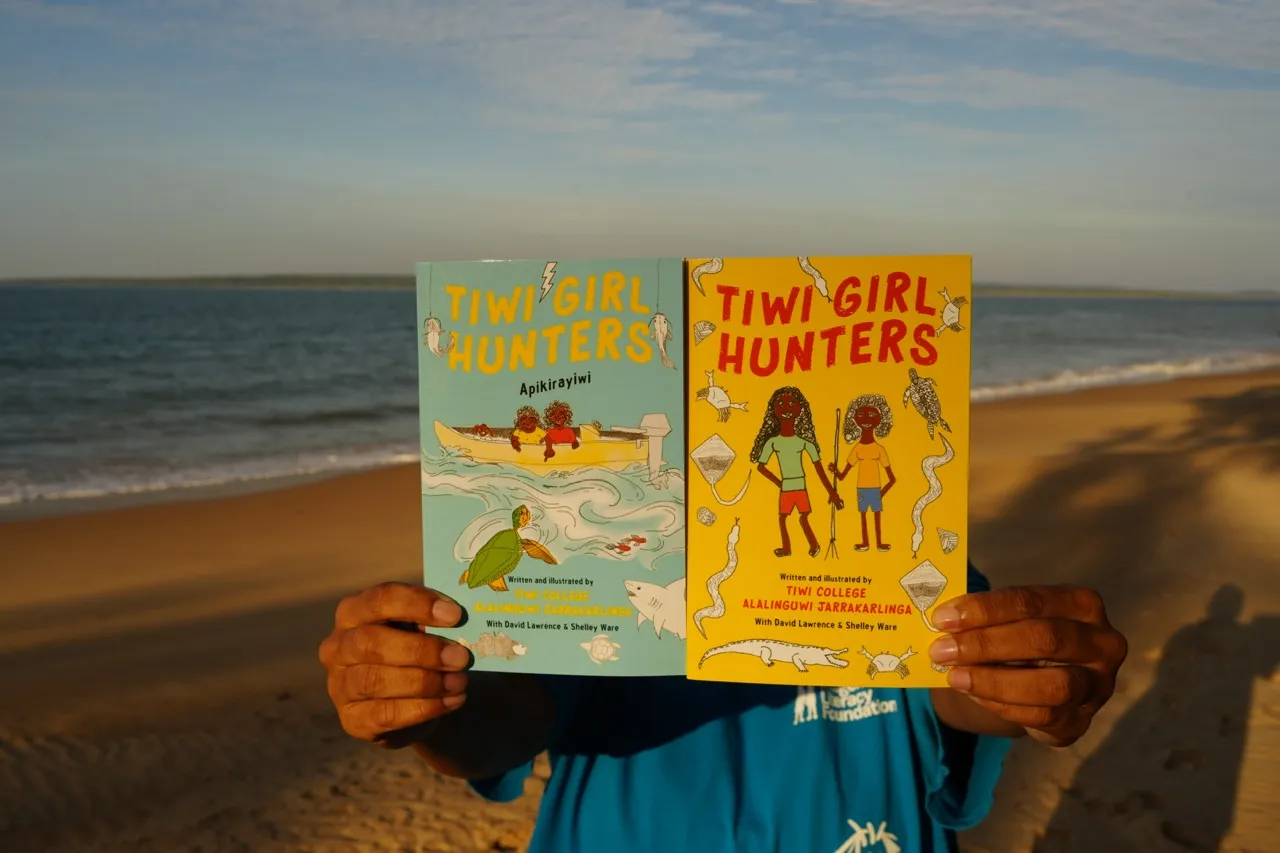
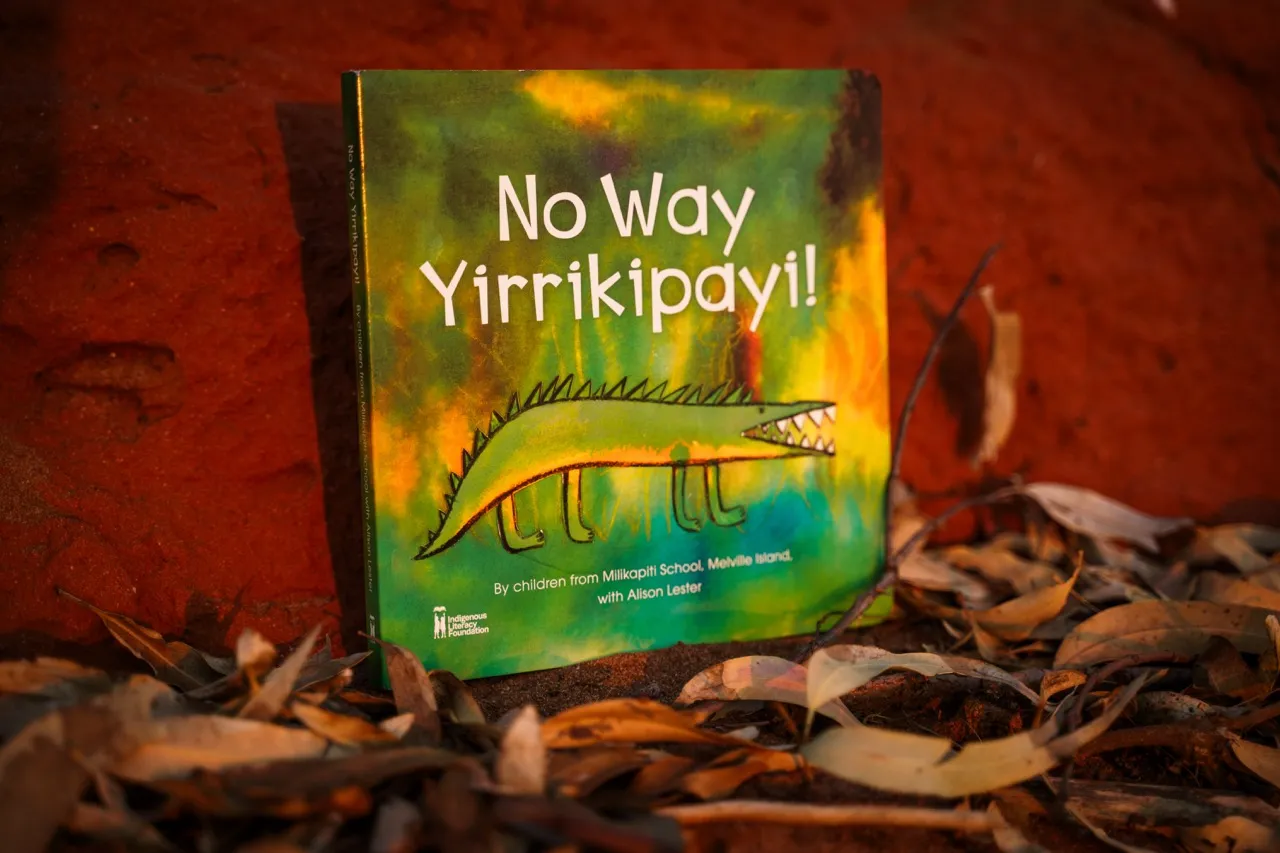
ILF’s Community Publishing creates high-quality books that centre Indigenous culture, identity, language, people and their connection to Country. All books are Community-led, meaning we work with Communities to publish the stories they want to tell, in the format they want to share it in.
At the beginning of 2026, ILF had published 235 books in 45 different Indigenous Languages.
This work is not only culturally significant, but it also creates pathways for revenue, recognition and employment in the creative and publishing industries.
Economic and Social Impact
Through the ILF royalty system, more than $220,000 has been paid directly to Communities. Using the Supply Nation Sleeping Giant Rises Report framework, which estimates a social return of $3.66 for every dollar spent, this equates to nearly $1 million in untied funding entering remote Communities to be invested how they see fit.
ILF purchases over $2 million worth of books for inclusion in Book Supply packs that are distributed to remote Communities, making the ILF one of the largest purchases of books in Australia. In 2026, 65% of those titles were by Aboriginal and/or Torres Strait Islander authors and/or illustrators.
This is a powerful example of ILF’s impact beyond literacy alone. Our work also contributes to economic participation, self-determination and local decision-making.
World Book Day
In the lead up to World Book Day on April 23, we encourage you to pick up a book, read a book to a child, or make a donation to the ILF to get more books into the hands of kids living in remote Communities - and know you are making a difference.

.webp)